


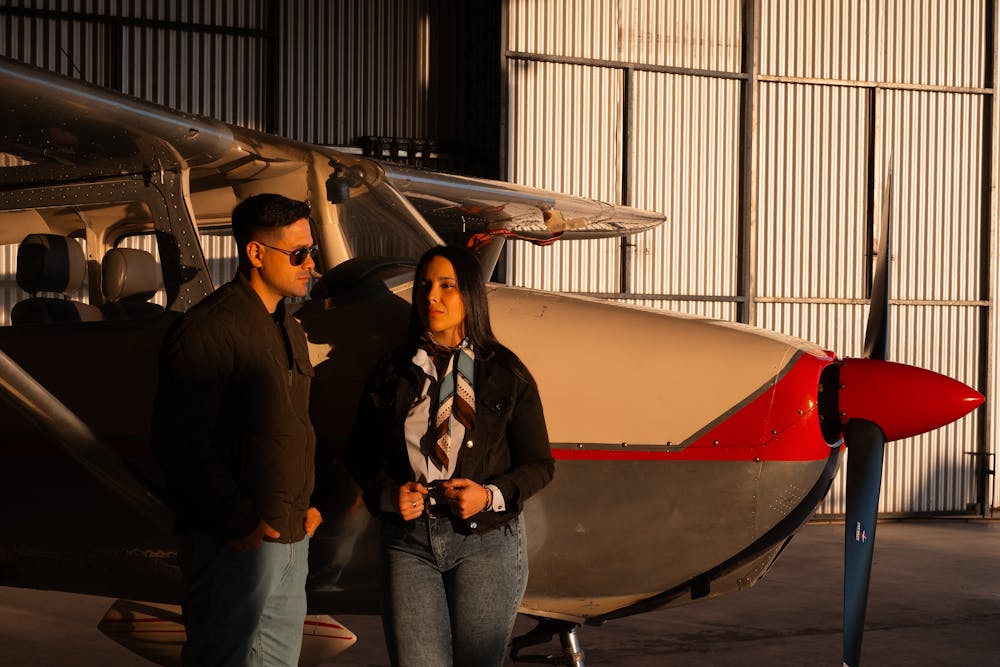
Even the most carefully planned flight can change instantaneously. Weather shifts, mechanical issues, medical concerns, or air traffic delays can all force a pilot to divert from the original route. While emergency diversions and alternate landings are a standard part of aviation safety, they can introduce unexpected insurance and liability questions.
What Counts as an Emergency Diversion or Alternate Landing?
A diversion occurs when a flight lands somewhere other than its originally intended destination. Though not all diversions are emergencies, they can still be risky.
Some diversions are precautionary, while others are urgent. Scenarios include:
- Inclement weather (storms, icing, low visibility)
- Mechanical concerns (engine irregularities, system alerts)
- Medical emergencies onboard
- Airspace restrictions or congestion
- Fuel planning adjustments
Does Your Insurance Cover Emergency Landings?
In most cases, aviation insurance policies cover unexpected events, including emergency landings. However, there are notable exceptions.
Typically Covered
Coverage depends on whether the situation falls within your policy’s terms and conditions.
- Damage to the aircraft during an emergency landing
- Liability for injury or property damage resulting from the incident
- Some recovery or transportation costs (depending on the policy)
Potential Limitations
Any of these factors can cause problems with your claim.
- Operating outside approved usage (e.g., unauthorized charter)
- Flying beyond geographic coverage limits
- Pilot who fails to meet currency, training, or aviation safety requirements
- Mechanical issues tied to poor maintenance or missed inspections
The Hidden Risks of Alternate Airports
Landing at an unfamiliar airport can introduce new exposures.
1. Runway and Terrain Differences
Shorter runways, elevation changes, or unfamiliar approach procedures may increase the risk of a hard landing or runway excursion.
2. Ground Handling and Storage
Not all airports offer the same level of ground support. Your aircraft could be subject to:
- Improper towing or handling
- Limited hangar availability
- Weather exposure if tied down outdoors
3. Third-Party Liability
If your aircraft damages airport property, ground equipment, or other aircraft, you might be liable – especially in unfamiliar or congested environments.
Unplanned Overnights
Weather, maintenance needs, or crew rest requirements can turn some diversions into overnight stays. That introduces additional considerations.
Check if your policy covers:
- Your aircraft while parked overnight at a different airport
- Ground risks outside your home base
- Personal belongings and onboard equipment
Your risk profile changes if you store your aircraft in a non-standard location, such as a temporary tie-down area or shared hangar. Your policy should be flexible enough to reflect that.
Recovery, Repairs, and Repositioning
Getting your aircraft back in service after an emergency landing can be costly and complex.
Depending on your policy, coverage may include:
- Aircraft recovery and transport to a repair facility
- Temporary repairs at the diversion airport
- Ferry flights to reposition the aircraft
Not all policies include these benefits automatically. If your coverage falls short, you could be responsible for significant out-of-pocket expenses.
How to Avoid Coverage Gaps
Emergency diversions are unpredictable – but your insurance coverage shouldn’t be.
1. Review Your Policy’s Usage and Territory
Make sure your coverage reflects how and where you fly. If you frequently take longer trips or cross international borders, your policy should account for that.
2. Maintain Aircraft and Documentation
If a mechanical issue leads to a diversion, insurers may review maintenance logs. Staying compliant with inspections protects your aircraft and your claim.
3. Stay Current and Qualified
Pilot experience and recency matter. If you’re not current or properly rated for the conditions, it can affect your coverage.
4. Ask About Emergency and Recovery Coverage
Not all policies are equal. Confirm whether your plan includes:
- Recovery and transport
- Alternate airport storage
- Legal defense in unfamiliar jurisdictions
Plan for the Unexpected With Ingram Aviation Insurance
At Ingram Aviation Insurance, we understand that aviation doesn’t always go according to plan. That’s why we design policies that account for real-world scenarios – including diversions, alternate landings, and unexpected delays.
We provide:
- Tailored coverage that reflects your actual flight patterns
- Fast underwriting and policy adjustments when your needs change
- Expert guidance on liability, recovery, and operational risk
- Nationwide service backed by longstanding aviation industry relationships
When your flight plan changes, your coverage shouldn’t fall behind. Before your next flight, take a moment to review your policy – or let us do it for you. Contact us today to secure coverage for any route, runway, or unexpected turn. In aviation, flexibility is essential – but protection is everything.