


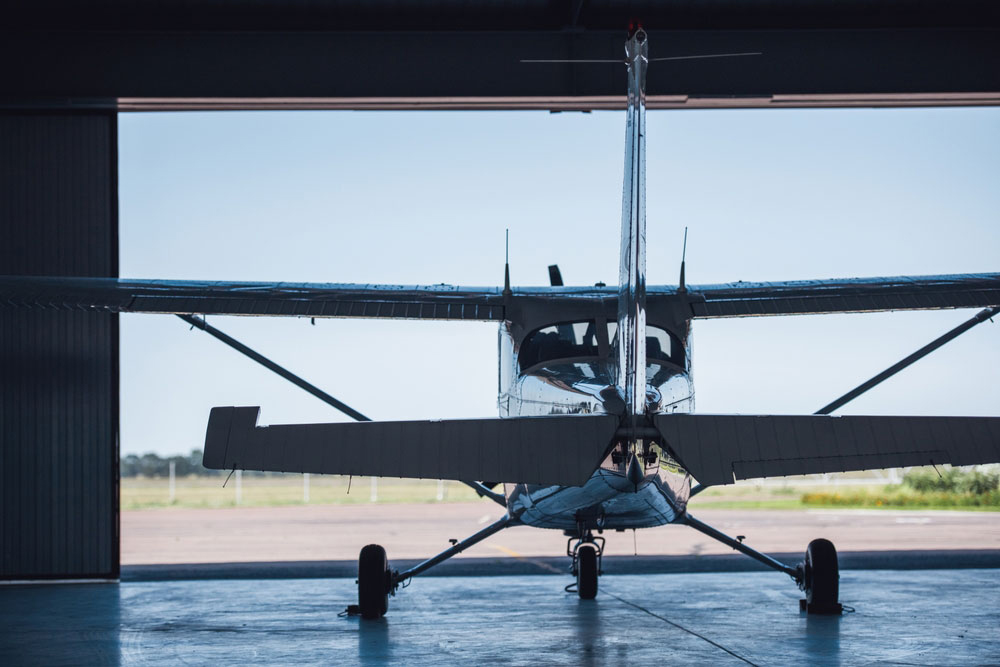
Fall is a transitional season, making it the perfect time for aircraft owners to think about improving hangar safety. Whether you store your plane in a personal hangar or lease space at a shared facility, maintaining a safe and secure environment protects your aircraft and reduces your liability.
Use this checklist to prepare your hangar for cold weather and reduce your exposure to costly incidents or claims.
Why Hangar Safety Matters
Think of a hangar as an extension of your aviation operation. Fires, slips and falls, equipment malfunctions, and structural damage can all lead to serious financial and legal consequences. Without proper maintenance and insurance, you may be liable for aircraft damage or injuries to guests, technicians, or tenants.
As fall arrives, changes in humidity, temperature, and weather conditions can increase the risks associated with hangar storage. Be proactive now to avoid preventable hazards later.
Fall Hangar Safety Checklist
Use this seasonal checklist to identify and correct common safety issues.
1. Inspect and Test Electrical Systems
Colder months bring increased use of space heaters, preheaters, and lighting systems.
- Check for frayed wires or overloaded circuits.
- Ensure outlets are rated for aviation equipment use.
- Test backup generators and lighting systems.
2. Evaluate Heating and Ventilation
With hangar doors closed more often during colder months, air quality and ventilation become essential.
- Service HVAC or radiant heating units.
- Clean air filters and confirm airflow vents are clear.
- Avoid unvented space heaters, which can create carbon monoxide hazards.
3. Review Fire Safety Systems
Fire is a top risk in hangars due to fuel vapors, maintenance activities, and stored chemicals.
- Test fire alarms and suppression systems.
- Keep fire extinguishers accessible and fully charged.
- Store flammable materials in approved containers away from ignition sources.
4. Secure the Structure
Severe weather like storms and high winds can cause hangar damage if you have compromised doors, roofing, or structural components.
- Check for corrosion, leaks, and loose panels.
- Inspect hangar doors for smooth operation and secure latching.
- Remove debris and clear drainage areas to prevent flooding.
5. Maintain Floors and Surfaces
Slick or cluttered floors increase the risk of accidents.
- Regularly sweep and degrease hangar floors.
- Mark safety walkways and remove tripping hazards.
- Repair cracked concrete or uneven floor transitions.
6. Verify Hangar Tenant Agreements
If you lease hangar space to others or share space:
- Confirm that all tenants have appropriate insurance.
- Outline safety responsibilities and access policies.
- Post rules regarding fueling, smoking, and tool usage.
Liability and Insurance Considerations
Accidents can still happen even with the best safety practices in place. That’s why hangar owners and tenants alike need robust liability protection. Ingram Aviation Insurance will work on your behalf to secure coverage that protects your aircraft, facility, and financial well-being.
- Hangar keeper’s liability: This coverage is a must-have if you allow others to use your hangar. It protects against damage to aircraft stored in your care, custody, or control.
- Premises liability: Covers bodily injury or property damage that occurs in or around the hangar.
- Property insurance: Protects the physical hangar structure and its contents, including tools and equipment.
- Business use coverage: You may need specialized commercial coverage if your hangar provides maintenance services or generates income in other ways.
It’s a rule of thumb to update your policy when you’ve:
- Made hangar upgrades or structural changes
- Added or removed aircraft from the facility
- Brought in new tenants or changed usage terms
- Noticed higher seasonal risks (e.g., snow accumulation, increased equipment use)
Stay Grounded in Safety This Fall
Ingram Aviation Insurance’s team brings more than a decade of focused aviation insurance experience to every policy we write. Whether you need help evaluating your current policy or adding liability coverage for fall and winter operations, we’re ready to help you secure comprehensive protection.
We offer:
- Fast, expert policy reviews to account for seasonal risks
- Tailored coverage for private hangar owners, FBOs, and shared facilities
- Nationwide support from aviation-only specialists who are highly familiar with your goals and expectations
Year-round hangar safety is vital. By tackling your fall maintenance checklist and reviewing your liability exposure, you ensure your aircraft and operations are ready for whatever the season brings. Contact us today to schedule a seasonal policy check or request a customized quote. Let us help you safeguard your aircraft and your hangar from nose to tail.