


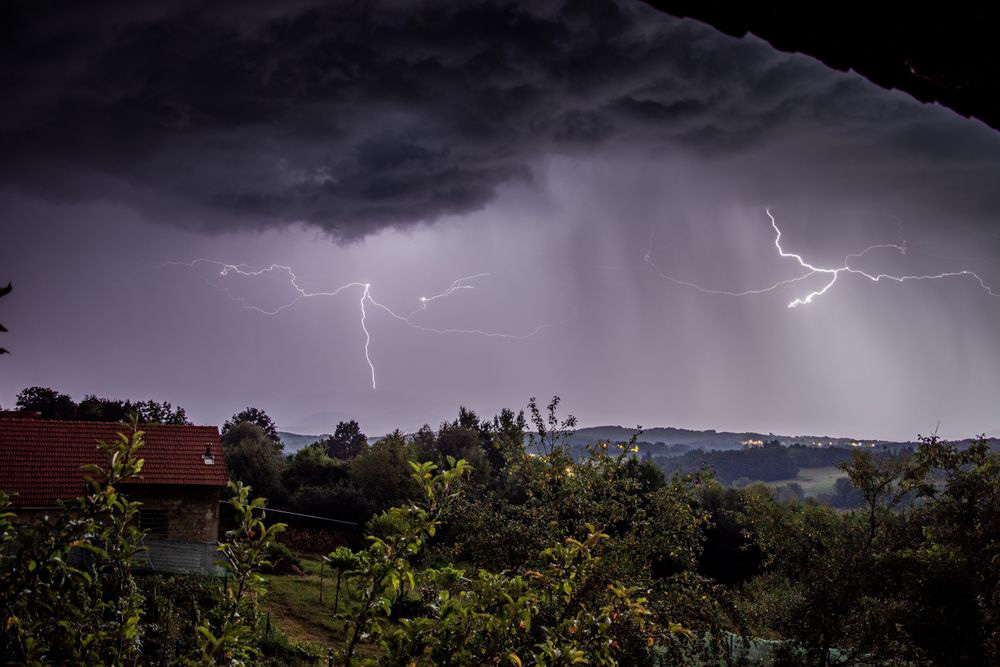
Storm season can bring wide-ranging weather hazards for aircraft owners, from hurricanes and tropical depressions to tornadoes, hail, high winds, heavy rain, and flooding. While you can’t control what Mother Nature does, you can proactively reduce the damage by preparing for severe conditions.
Safeguarding your aircraft before a storm is an excellent opportunity to review your insurance coverage, update documentation, and create a plan that helps you recover more quickly if the unexpected happens. Ingram Aviation Insurance helps private plane owners anticipate the risks that come with inclement weather.
Consider Relocating Your Aircraft
Sometimes the safest decision is to move your aircraft before severe weather arrives. If the forecast calls for a major storm, relocating to another airport outside the projected path may significantly reduce the chance of damage. Of course, this option isn’t always practical. Airports farther inland may become crowded as other owners make the same decision, and weather conditions can deteriorate quickly.
Planning gives you far more flexibility than waiting until the last minute. If relocation is part of your storm plan, you should start monitoring the forecast and identify alternate airports with available hangar space ahead of time. Top off your fuel tank and leave early enough to avoid flying through inclement weather.
Tie-Down or Hangar?
Whenever possible, a sturdy hangar provides the best protection from hail, wind-driven debris, and heavy precipitation. However, if you don’t have access to hangar space:
- Use high-quality, properly rated tie-down equipment.
- Verify that anchors are secure and in good condition.
- Position control locks and gust locks correctly.
- Install protective covers for the cockpit, engine, and pitot tube if recommended by the manufacturer.
- Remove loose equipment and personal belongings that could become projectiles.
Document Your Aircraft Before the Storm
Don’t forget to document your aircraft’s condition before the storm hits. If damage occurs, these photos may simplify the claims process by providing valuable proof. Take clear photographs of:
- The exterior from multiple angles
- Wings and control surfaces
- Propeller or engines
- Landing gear
- Avionics and instrument panel
- Cabin interior
- Recent upgrades or modifications
It’s also a good idea to store copies of maintenance records, annual inspection documentation, upgrade receipts, aircraft logbooks, and insurance policy information. You can keep hard copies in a fireproof, waterproof safe and store digital copies in a secure online location where you can access them even if you’re away from your home airport.
Prepare for the Claims Process Before You Need It
No one enjoys thinking about the worst-case scenario, but having a severe weather plan can reduce stress later. Claims move more efficiently when owners file them promptly and provide thorough documentation. If damage occurs, avoid moving or repairing the aircraft until you’ve spoken with your insurance company unless doing so is necessary to prevent additional damage or ensure safety.
Before storm season begins:
- Review your current insurance policy.
- Understand your deductible.
- Know your hull value.
Since weather events may disrupt communications, updating your emergency contacts ensures you can quickly reach important people when every minute matters. Save your insurance company’s claims number, your broker’s contact information, and other essential details directly in your phone so they’re always accessible.
Before storm season arrives, you should also have up‑to‑date contact information for your aircraft maintenance provider, FBO or airport management, hangar owner or property manager, and emergency mechanic. Having these numbers organized and readily available can significantly streamline recovery efforts and reduce stress during high‑pressure situations.
Understand What Your Insurance Covers
Assuming your insurance policy automatically covers storm damage may lead to unpleasant surprises. Double-check to ensure you understand provisions regarding damage caused by wind, hail, lightning, falling debris, and other storm-related events.
As storms become more frequent and severe, it’s also wise to familiarize yourself with these details before inclement weather arrives:
- Aircraft storage locations
- Geographic territory
- Negligence or failure to secure the aircraft
- Flood-related damage
- Personal property kept inside the aircraft
- Recovery and transportation expenses
Review Your Coverage Annually
Does your insurance policy reflect your aircraft’s current value? Upgrading the engine, installing new avionics, renovating the interior, or adding safety equipment will increase your aircraft’s market value, meaning your existing hull coverage may no longer be adequate.
An annual policy review ensures your investment remains properly protected as your aircraft evolves.
Protect Your Investment Before Severe Weather Strikes
Storms strike quickly, leaving little time to prepare. The best time to review your insurance policy, document your aircraft, and develop a plan is on a sunny day.
Ingram Aviation Insurance’s team understand the unique risks aircraft owners face. We’ll work with you to develop customized coverage that protects your investment through every season.
Whether you’re reviewing your hull value, evaluating storm-related coverage, or preparing for another year of flying, our experienced team is here to help. Reach out to us today for a policy review.